

Stop Advertising to Over-50s Like It's 1987
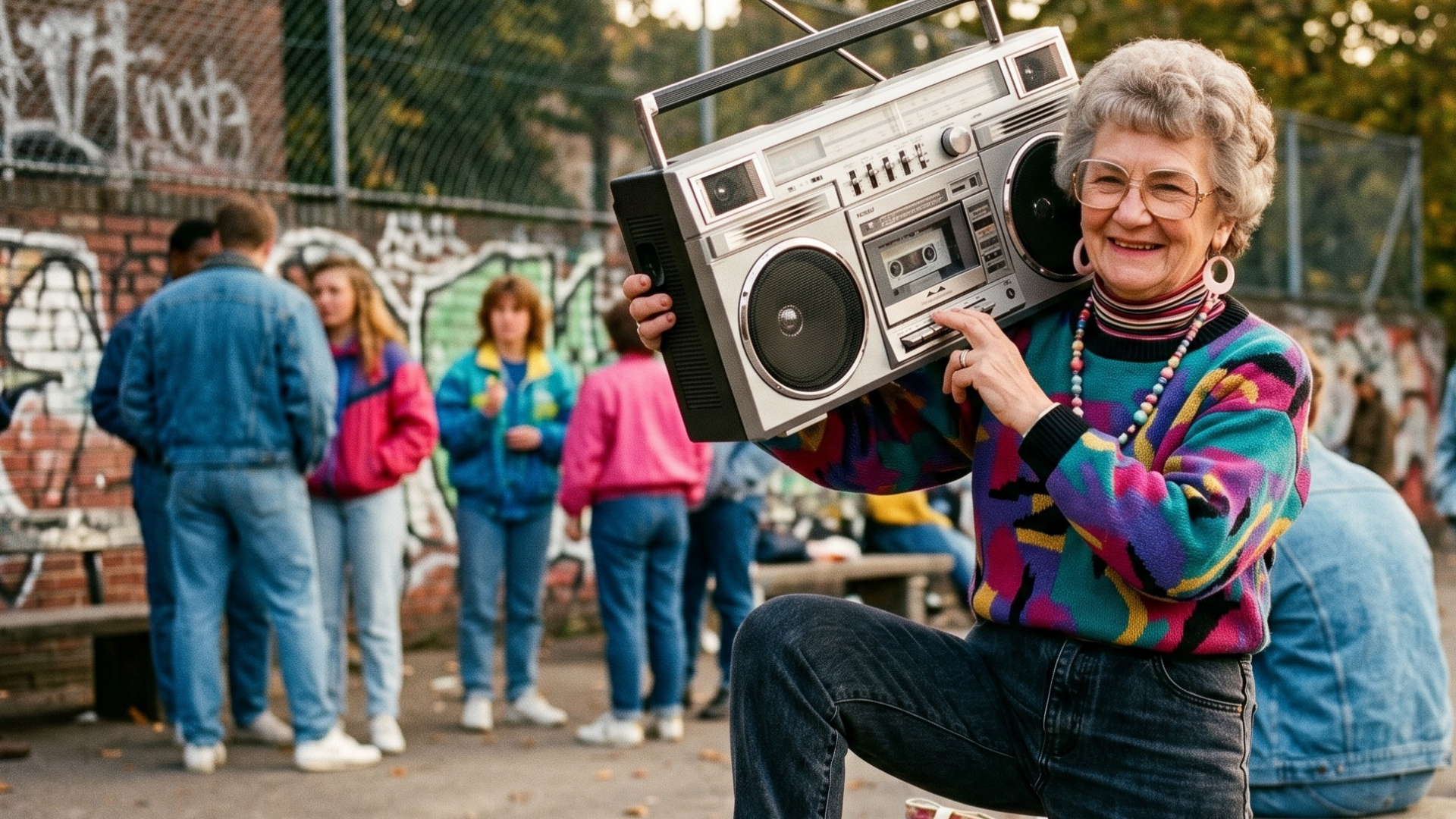
The over-50s market is wealthy, active, digitally literate, and consistently underestimated by advertising. The brands that get this right are about to find a very large, very underserved audience.
There's an image problem in advertising when it comes to the over-50 demographic. It tends to manifest in one of two ways: either the audience is ignored entirely, or it's addressed with a kind of soft-focus condescension — gentle music, careful movements, reassuring voiceovers that signal 'this one's for older people.'
Neither approach reflects who this audience actually is. And brands that keep using them are leaving money on the table.
The demography is shifting — fast
Millennials — the first generation to grow up online, the early adopters of smartphones and social media, the people who built their adult lives around digital convenience — are turning 50. Within five years, the over-50s market will be substantially made up of people who have never not had the internet.
This is a generation that streams. That shops online. That uses apps for everything from banking to fitness. That consumes news digitally, manages money digitally, and communicates digitally. They're not the blue-rinse brigade. They never were. They're just the version of that demographic who grew up differently — and advertising is still catching up.
The money is there
The over-50s are, in aggregate, one of the wealthiest consumer groups in the UK. Many are mortgage-free or close to it. Many are at or approaching the peak of their earning power. Many have grown-up children and a degree of financial freedom they haven't had since before they started a family.
This is a group with disposable income, active lifestyles, and a clear desire to spend on experiences, products, and services that reflect their actual lives. And they're watching a lot of TV.
I'm 50. I don't want to be sold to like someone who still banks at a branch and doesn't know how to use a phone. Get it right.
What's actually wrong with a lot of over-50s advertising
The problems tend to cluster around the same handful of mistakes. Casting that ages up the representation — showing people who look a decade older than the audience actually is. Messaging that treats the audience as passive recipients of care and comfort, rather than active people with ambitions and interests. A general creative energy that signals 'gentle' when the audience wants 'relevant'.
Open water swimming became a visual shorthand for 'active over-50s' for a while. It's the kind of detail that makes you realise how narrow the creative thinking around this demographic has been — a very specific, very middle-class activity used to represent an enormous and diverse population.
What getting it right looks like
Advertising to over-50s well is exactly the same creative challenge as advertising to any other audience well: understand who they actually are, what they actually want, and what would actually make them feel like this brand gets them.
For this audience, that means representing their real lives with real energy. It means not softening the creative to a degree that signals 'this is for old people'. It means treating them as the internet-native, experience-hungry, discerning consumers they are.
It also means recognising that linear TV still reaches them in huge numbers — which makes TV the right channel for this audience at a moment when it's becoming harder to reach younger audiences there. The over-50s are loyal to linear TV in a way that younger demographics aren't. If your product or service speaks to this audience, the case for TV isn't difficult to make.
The opportunity
Most advertising aimed at over-50s is mediocre. Brands that take this audience seriously — that make genuinely good creative work aimed at who these people actually are — will find an audience that's responsive, loyal, and genuinely underserved.
That's a significant opportunity. It just requires treating the demographic with the same creative ambition you'd bring to any other.